Engineering Behind Air-Supported Structures: Safety & Reliability
An in-depth look at the engineering principles, safety systems, and reliability features that make modern air domes a trusted building solution.
Jeff Locker
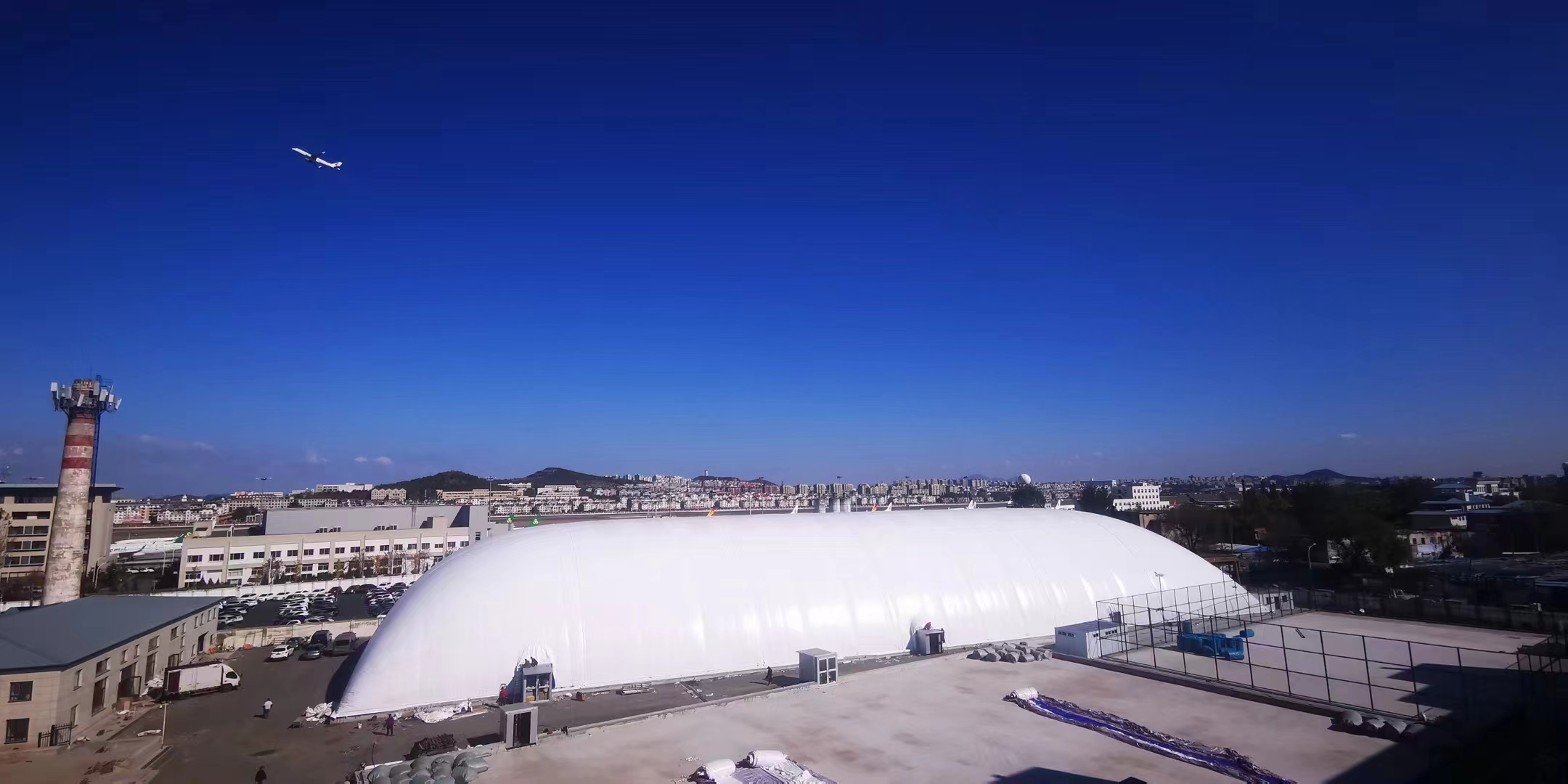
Air-supported structures rely on sophisticated engineering to ensure safety and reliability. Understanding these principles helps facility owners make informed decisions. Air Pressure Systems A continuous low-pressure air supply system keeps the membrane inflated. The pressure differential is minimal — comparable to the difference you feel riding an elevator — yet sufficient to support the entire structure. Redundant Safety Systems Backup generators and multiple air handling units ensure the dome remains inflated even during power interruptions. Automated monitoring continuously tracks pressure and performance. Weather Resistance Engineered to withstand high winds and heavy snow loads, modern air domes are built for demanding climates worldwide.
Key answers
Air-supported structures achieve high safety and reliability through continuous low-pressure air supply systems, redundant backup generators, automated pressure monitoring, and high-strength cable anchoring built to resist high wind and heavy snow loads.
1. How do air-supported structures maintain safety during power outages?
Redundant backup generators and multiple air handling units automatically activate to maintain internal pressure during power failures.
2. What prevents an air dome from collapsing under extreme weather?
Engineered steel cable grids and dynamic pressure controls allow air domes to withstand Category 12 typhoons and heavy snow loads.
3. Is high pressure required to keep an air-supported dome inflated?
No, air domes operate on a minimal differential low pressure that is imperceptible to occupants and completely safe for daily use.